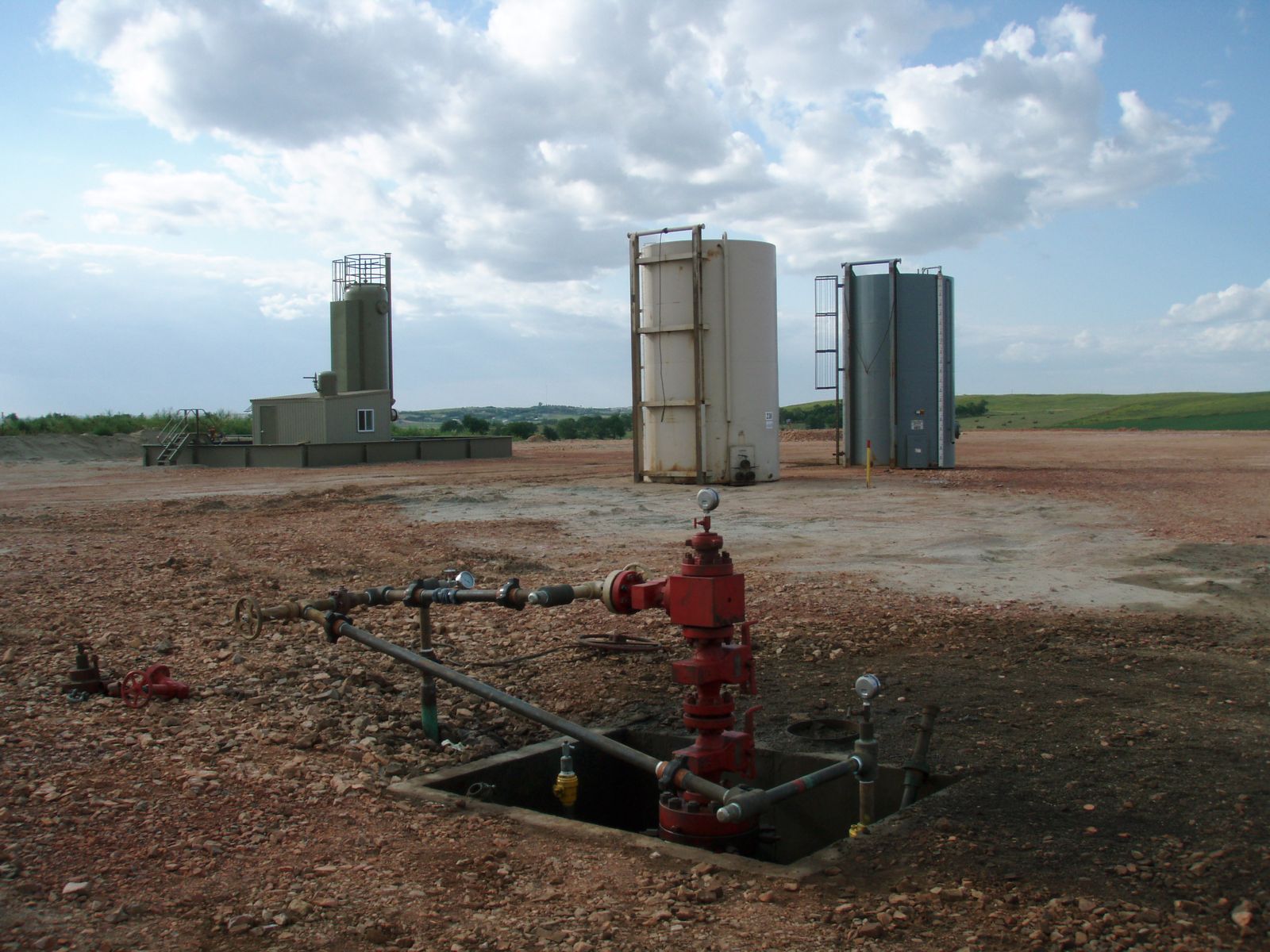
Sour service means the well stream contains hydrogen sulfide (H2S), a toxic gas that is also corrosive to steel. Iron that works in sweet service is not automatically suitable where H2S is present: the material, the manufacturing, and the documentation all have to match the service. The safe approach is to name the service in the RFQ, ask what the equipment is supplied for, and get the answer in writing before the iron goes on the truck.
What "sour service" means
A well is called sour when its stream contains hydrogen sulfide, H2S. The gas is colourless, toxic, and heavier than air, and at low concentrations it smells of rotten eggs — though at the concentrations that matter most, it quickly deadens the sense of smell, which is why no one on a job should ever rely on their nose to detect it.
Whether a well is sour depends on the reservoir, not on the equipment. Two wells in the same field can differ, and the H2S content of one well can change over its life. That is why the operator's well data, not the look of the iron, decides whether a job is sour service.
For a buyer, the practical point is simple: sour service is a condition of the job, and it has to be named before the equipment is chosen. A line that was bought for sweet service cannot be assumed safe in sour service just because it is new, or because it carries the same pressure rating.
Why H2S changes the equipment question
Hydrogen sulfide attacks steel in ways that ordinary pressure does not. The best-known problem is sulfide stress cracking: in the presence of H2S and water, certain steels can crack under stress well below the load they would carry in sweet service. Hardness plays a large part — harder steels are generally more susceptible — which is why material selection and heat treatment matter more in sour service than the pressure rating alone suggests.
That is why the industry has a reference buyers will hear named on almost every sour-service job: NACE MR0175 / ISO 15156, the standard for materials in H2S-containing environments. It sets out the material, hardness, and manufacturing requirements that equipment has to meet for sour service. It is a design and material reference, not a guarantee — a part still has to be made, tested, and documented to it, and the operator's own specification is what governs the job.
None of this is visible from the outside. Two plug valves can carry the same figure number and the same pressure rating while being built from different materials to different requirements. The only way to know what a piece of iron is supplied for is the paperwork that travels with it — the material certificate, the test record, and the supplier's written confirmation of the service it is intended for.
Questions to ask before you buy
- Name the service in the RFQ. Write "sour service" and the H2S conditions the operator has given you — not just the pressure and the figure number — so the supplier is answering the right question.
- Ask what the equipment is supplied for, in writing. A verbal assurance is hard to check later; a written confirmation of the intended service belongs with the quote.
- Ask for the material certificate and the pressure-test record for the pieces you are buying, and check that the markings on the iron match the paperwork.
- Ask which standard the equipment was supplied to, and which edition — and check that it matches what the operator's specification calls for.
- Ask about the iron's history if it is used: how many jobs it has done, how it was stored, and whether it has ever been in sour service before. A used line's past service is part of what you are buying.
- When the answer is unclear, slow down. Iron that cannot be traced to its records, or a supplier who cannot confirm the service in writing, is a reason to ask more questions — not a reason to accept the risk on location.
What changes on location
Sour service changes the job as well as the iron. Crews working around H2S use fixed and portable gas detectors, work upwind where they can, and keep exclusion zones around the equipment. Everyone on location should know the alarm levels, the muster point, and the escape route before the first stage starts — not after a detector goes off.
Training and breathing apparatus are part of the job in sour service, and they are the operator's and the crew's responsibility, not the equipment supplier's. A buyer can still help by making sure the iron arrives on time and as specified, so the crew is not improvising with the wrong line while the clock is running.
The same discipline applies after the job. Iron that has been in sour service should be cleaned, inspected, and stored with its service history recorded, so the next buyer or the next crew knows what it has been through. A line with no history is a line whose next job starts with a guess.
Where Sterling can help
Sterling Wellhead stocks new 2-inch FIG 1502, 10,000 PSI flow iron in Jourdanton, Texas 78026, including the T000856 plug valve, 4 ft, 6 ft, and 10 ft pup joints (T000864, T000866, T000855), and Style 10 and Style 50 swivel joints (T000620, T000693). When you send an RFQ, include the service conditions the job calls for alongside the line list, quantities and drawing numbers, the delivery location, and the required-on-site date, and ask for the pressure test documentation — our team will confirm the configuration by drawing number. Sterling is RFQ-only: contact sales@sterlingwellhead.com or +1 (512) 373-0384.
Frequently asked questions
Does 2-inch FIG 1502, 10,000 PSI iron automatically work in sour service?+
No. The figure number describes the connection and the pressure rating describes the working pressure — neither one says anything about hydrogen sulfide. Equipment for sour service has to be selected, made, and documented for that service specifically, so always name the service in the RFQ and ask for written confirmation.
What standard covers sour service?+
The reference most often named is NACE MR0175 / ISO 15156, which covers materials for H2S-containing environments. It is a material and manufacturing reference, not a product certificate — the operator's specification governs the job, so ask which standard and edition the job calls for and match the paperwork to it.
What documentation should I ask for with flow iron?+
At minimum, the material certificate and the pressure-test record for the pieces you are buying, plus the supplier's written confirmation of the service the equipment is supplied for. Check that the markings on the iron match the paperwork before it goes on the truck.