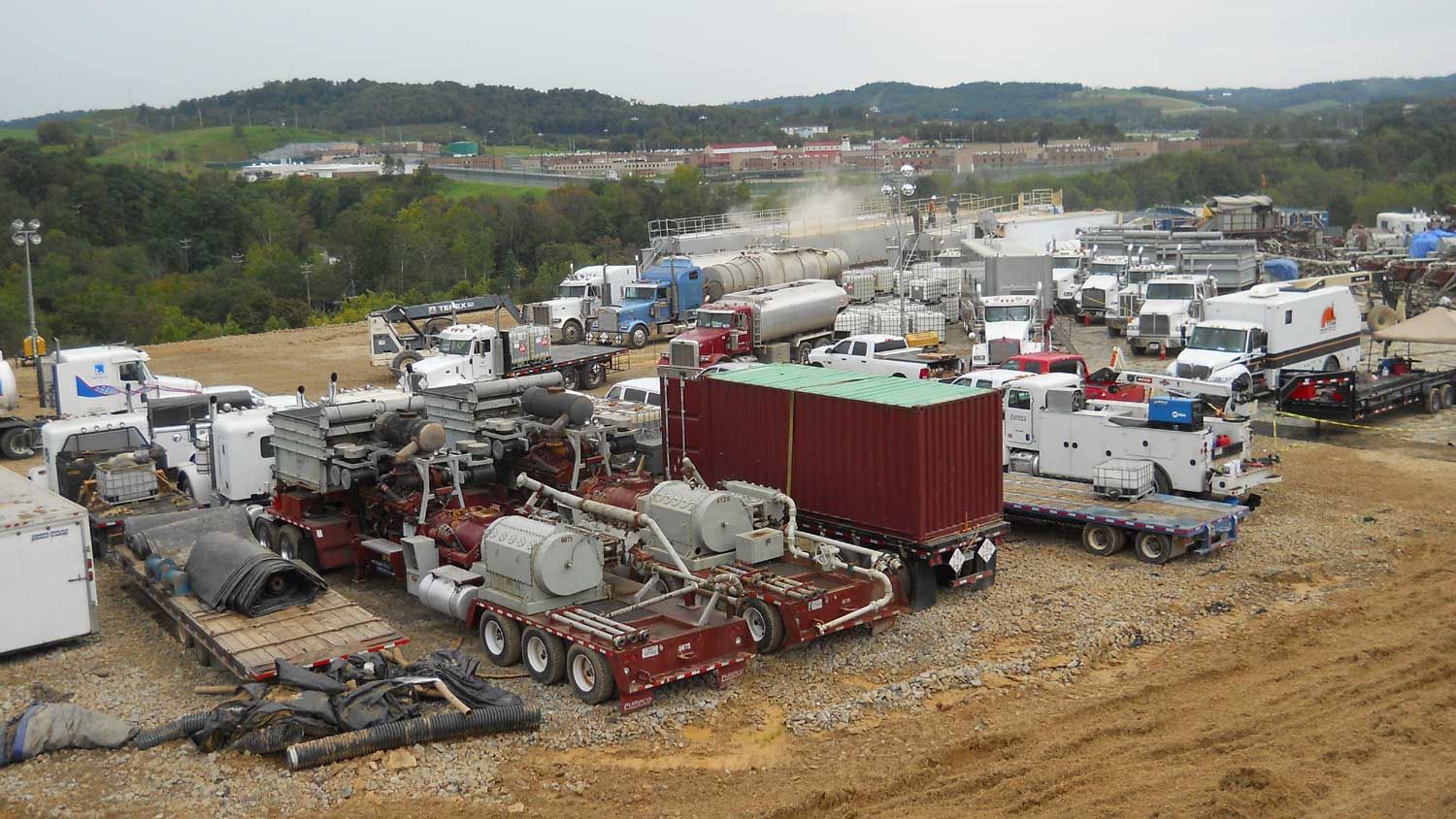
Texas oilfield activity follows a seasonal rhythm: work tends to pick up in spring, run hard through summer and fall, and slow around winter holidays and severe weather. For flow iron buyers, that means the smartest orders are placed before the busy season, not during it — when lead times stretch, stock thins, and a missing pup joint or swivel can hold up a stage. Planning around the cycle is mostly a matter of watching the calendar, keeping a small buffer of common pieces, and confirming test records before the rush.
Why oilfield demand moves in seasons
Oilfield work in Texas is outdoors, spread across long distances, and tied to budgets that reset on a calendar. That combination is what makes demand seasonal. Crews can move faster when roads are dry and daylight is long, and they slow down when winter weather, mud, or holiday shutdowns get in the way. At the same time, operators plan their programs around annual budgets, so spending often clusters in certain months and pauses in others.
The result is a rhythm that repeats every year, even though no two years look exactly alike. A buyer who understands the rhythm can order iron when the yard is quiet and the stock is full, instead of competing with every other crew for the same pieces at the busiest moment. The cycle does not change the iron itself — a 2-inch FIG 1502 pup joint is the same piece in January and in July — but it changes how easy that piece is to get, and how long it takes to arrive.
The patterns buyers see through the year
- Spring ramp-up: as weather improves and new budgets open, activity picks up. Crews restaff, spreads return to work, and demand for treating iron, pup joints, and swivels rises. Orders placed in late winter are often the ones that arrive on time.
- Summer pace: long days and dry ground keep work moving, but heat slows crews and strains equipment. Swivels and plug valves see heavy cycling, and worn pieces start to show it — a good time to check packing and keep spares on hand.
- Fall push: many operators try to finish programs before year-end, so the fall can be the busiest stretch of the year. Lead times stretch, stock thins, and a late order can mean waiting while a spread stands by.
- Winter slowdown: cold snaps, ice, and holiday shutdowns interrupt schedules in Texas fields. Work does not stop, but it pauses — and the pause is the best time to service iron, renew pressure test records, and restock for spring.
- Year-end budgets: spending decisions cluster around budget resets. An operator's new-year program can mean a sudden wave of orders in the first months of the year, so a buyer who orders ahead of the wave is rarely the one waiting.
What the cycles mean for flow iron
For a buyer, the seasonal cycle shows up in three places: availability, lead time, and testing. When demand is high, the common pieces — 2-inch FIG 1502 pup joints in 4, 6, and 10 ft, plug valves, and Style 10 and Style 50 swivels — are the first to run short, because every spread needs the same set. Lead times grow for the same reason: more orders in the queue means each one waits longer.
Testing is the third pressure point. Iron that has sat in the yard over winter still needs a current pressure test record before it goes back on the line, and a testing backlog at the start of the busy season can delay a job as surely as a missing part. That is why the slow season is the time to test, service, and document — not the week the spread is due on location.
Planning ahead: a simple checklist
- Watch the calendar, not just the job: note when your operators' programs ramp up and order a cycle ahead of the peak, not at it.
- Keep a buffer of the common pieces: a few extra pup joints in each length, a spare plug valve, and a spare swivel cover most surprises without tying up much capital.
- Test in the slow season: send iron for pressure testing and service while the yard is quiet, so the records are current when the busy season starts.
- Confirm the configuration by drawing number: when you order, list the line list, quantities, and drawing numbers — T000856, T000864, T000866, T000855, T000620, T000693 — so the right pieces arrive the first time.
- Give the supplier a required-on-site date: a firm date lets the supplier plan the shipment, and a vague one leaves the order at the back of the queue.
- Check the iron when it arrives: look at union ends, sealing surfaces, and threads, cycle the valves, and turn the swivels by hand before the pieces go on the line.
Where Sterling can help
Sterling Wellhead stocks new 2-inch FIG 1502, 10,000 PSI flow iron in Jourdanton, Texas 78026, including the T000856 plug valve, 4 ft, 6 ft, and 10 ft pup joints (T000864, T000866, T000855), and Style 10 and Style 50 swivel joints (T000620, T000693). Send the line list, the quantities and drawing numbers, the delivery location, and the required-on-site date, and ask for the pressure test documentation with your RFQ — our team will confirm the configuration by drawing number. Sterling is RFQ-only: contact sales@sterlingwellhead.com or +1 (512) 373-0384.
Frequently asked questions
When is the best time to order flow iron in Texas?+
Before the busy season, not during it. Ordering in late winter or during a slow stretch means stock is fuller and lead times are shorter, so the iron is on hand when the spread is ready. An order placed at the peak of the fall push competes with every other crew for the same pieces.
What pieces should a buyer keep as a buffer?+
The pieces every spread uses: 2-inch FIG 1502 pup joints in 4, 6, and 10 ft lengths, a spare plug valve, and a spare swivel joint. A small buffer of those common pieces covers most surprises — a damaged union or a swivel that starts to weep — without tying up much capital.
Does iron stored over winter need to be retested?+
Storage does not extend a pressure test. Before stored iron goes back into service, confirm that its pressure test record is still current for the job it is going to, and have it tested again if the date has passed. The slow season is the best time to do that testing, while the yard is quiet.